Historic architecture and film locations around The Biltmore Los Angeles
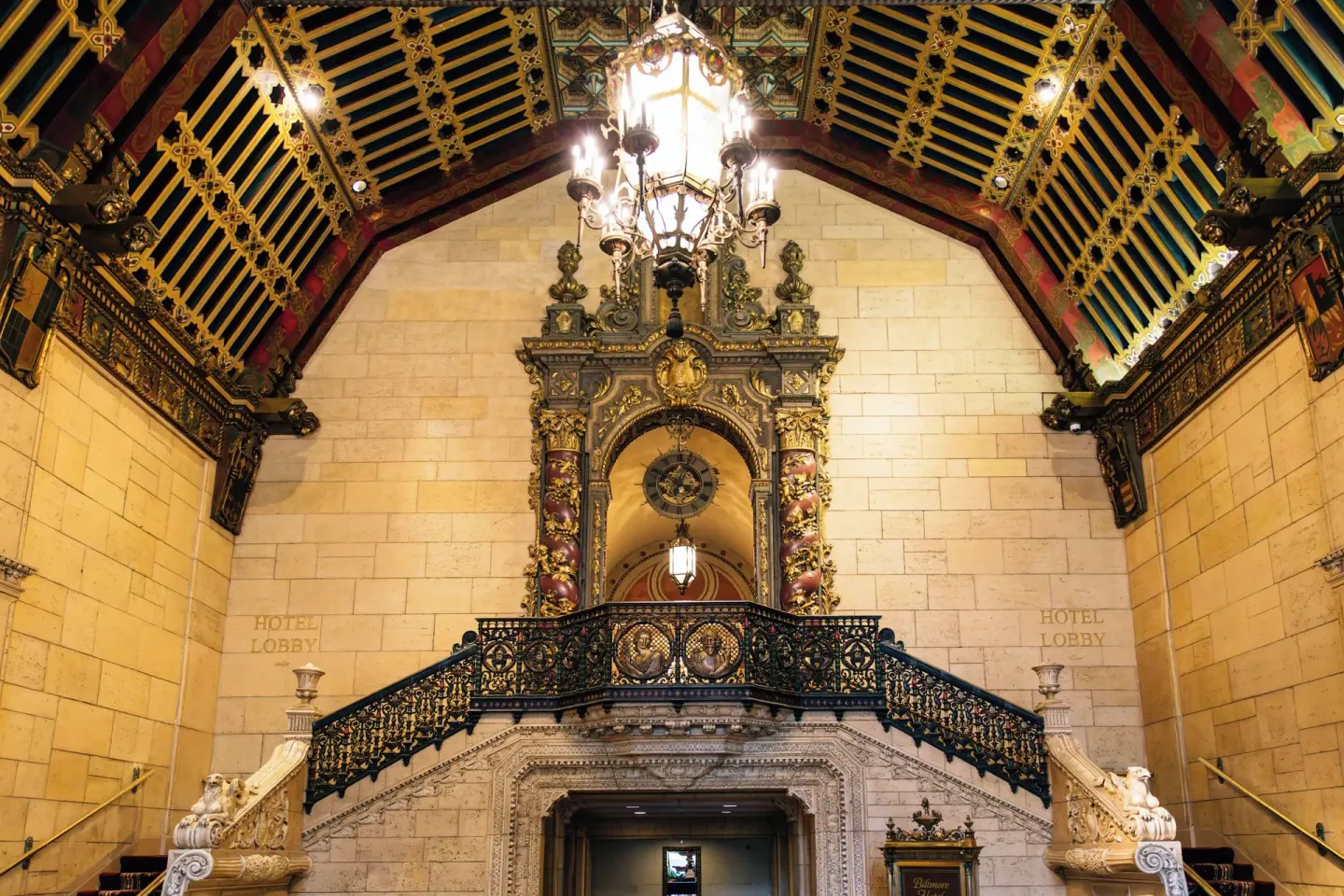
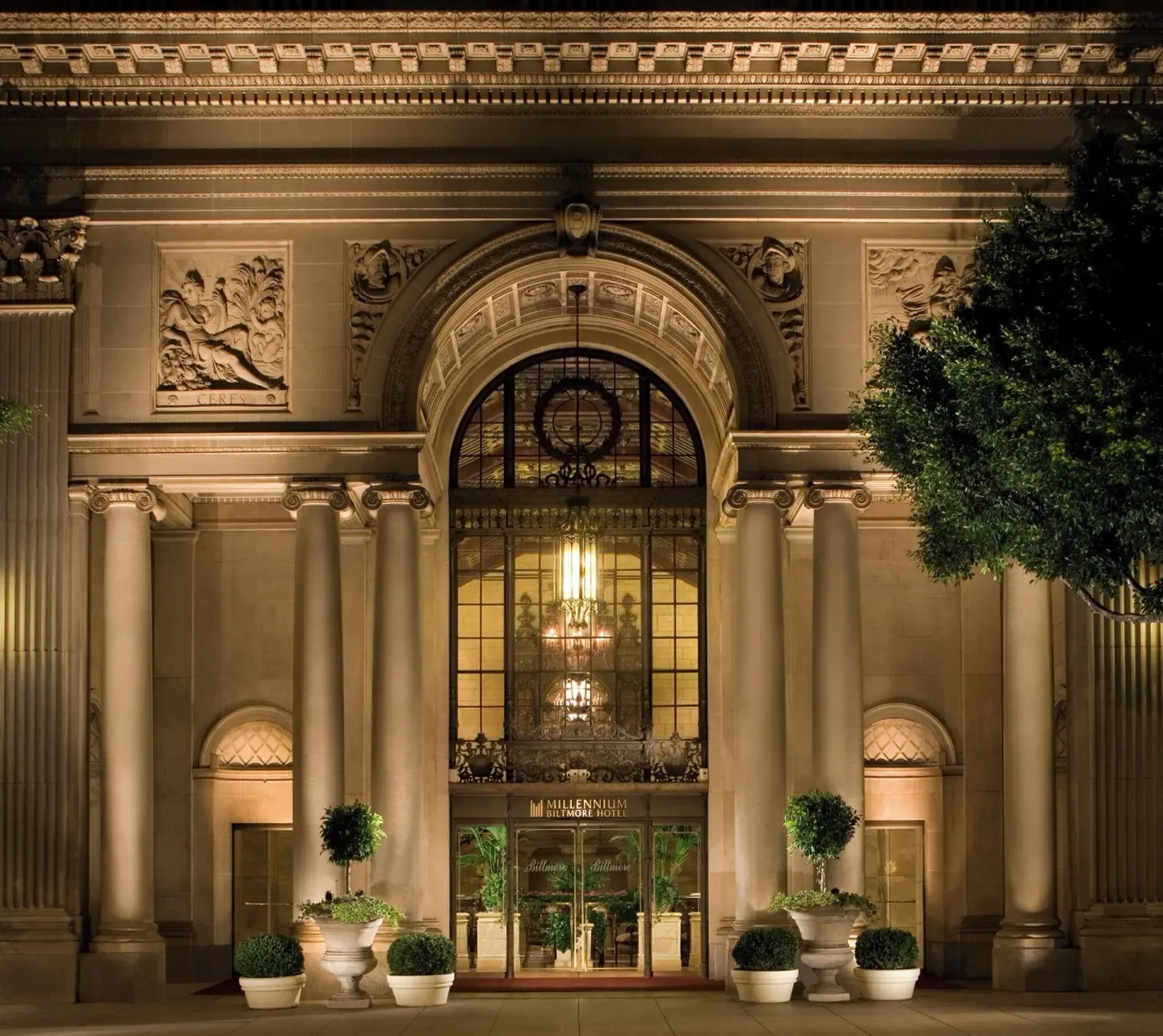
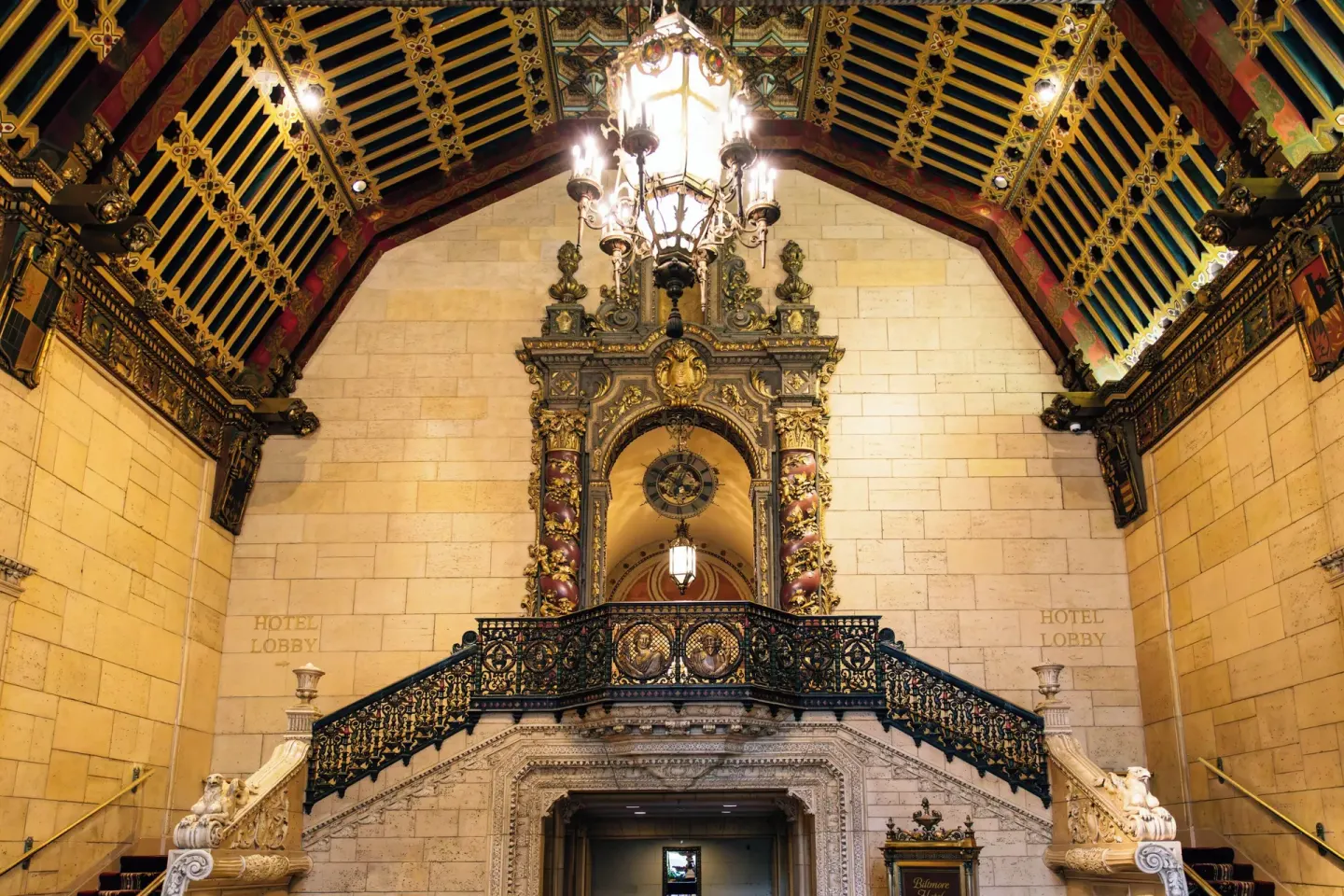
The Biltmore Los Angeles is a 1923 Beaux-Arts landmark on South Grand Avenue, known for its frescoed ceilings, marble columns and historic ballrooms. It’s been used as a filming location and sits steps from Pershing Square, making it an easy base for downtown LA architecture and movie-location walks.
In this guide
A short history for architecture and film fans
Opened October 1, 1923, The Biltmore Los Angeles was built in a Beaux-Arts/Neoclassical style and was designated a Los Angeles Historic-Cultural Monument in 1969. The property retains many original decorative features from its 1920s construction, including hand-painted ceilings and marble work.
Over the decades the hotel’s ballrooms and bars have appeared in films and TV; the Gallery Bar and Grill is specifically cited as appearing in productions such as Mad Men and The Italian Job. Renovations have updated services while keeping much of the historic public-room character intact.
- Address: 506 S Grand Ave, Los Angeles, CA 90071
- Opened: 1923 (rebranded from Millennium Biltmore to The Biltmore Los Angeles in 2024)
- Designated Los Angeles Historic-Cultural Monument (1969)
Architectural highlights to look for in the lobby
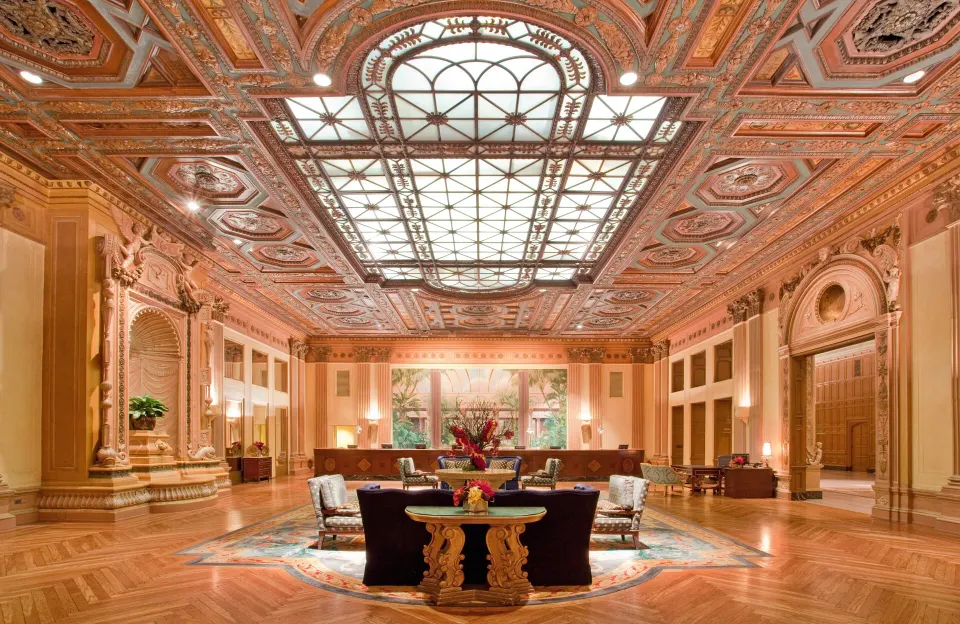
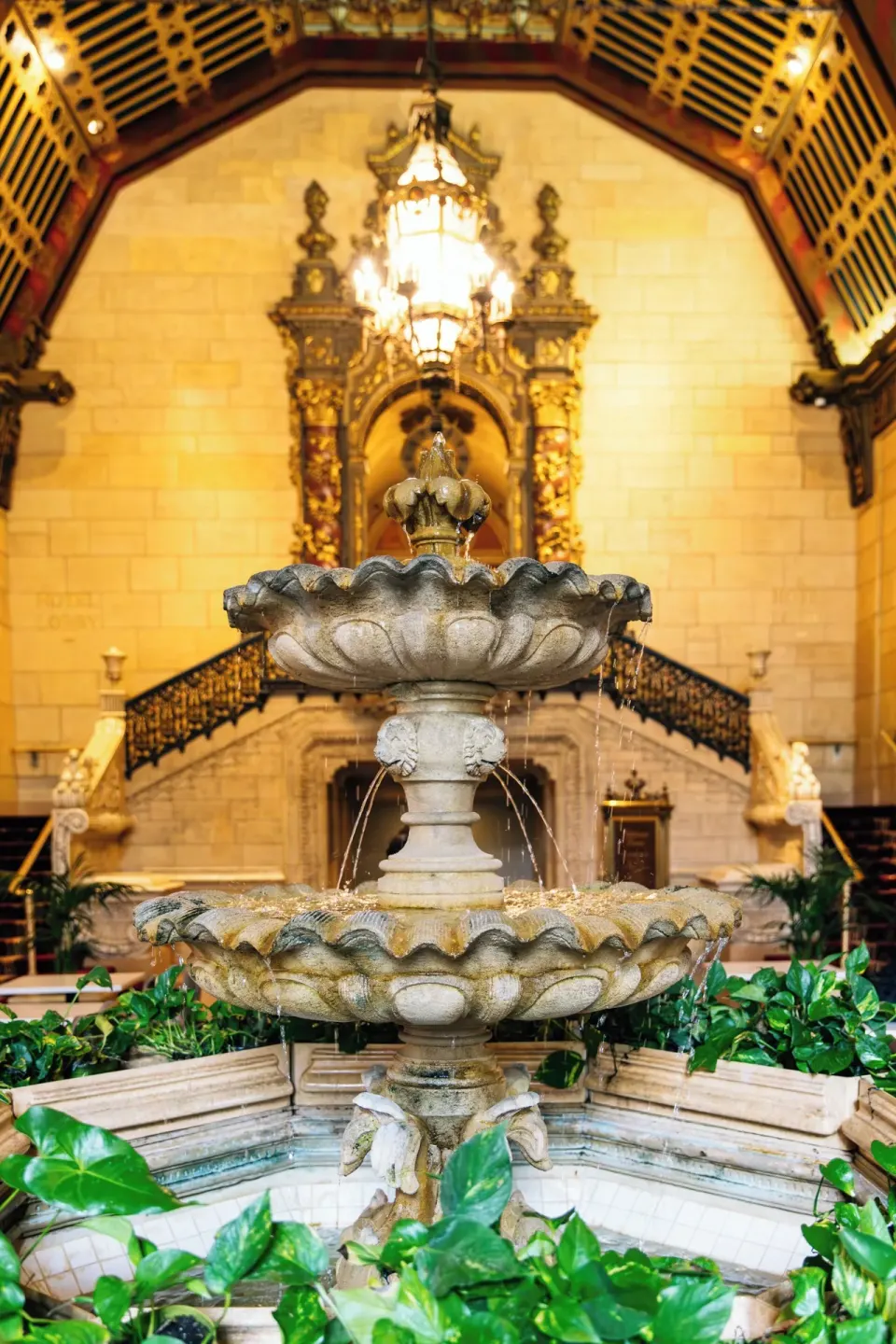
The original main lobby—today called the Rendezvous Court—is the property's primary historic interior, with frescoed ceilings by John B. Smeraldi, ornate staircases, carved pillars and a decorative fountain. These elements illustrate the Spanish-Italian Renaissance and Beaux-Arts influences on the hotel’s public rooms.
When you arrive, allow time to study the painted ceilings, gilded molding and the pair of sweeping staircases that frame the fountain and seating areas. These spaces are the ones most often photographed and used for film scenes.
- Rendezvous Court is the hotel’s original 1923 main lobby and is used for afternoon tea and all-day dining.
- Look for hand-painted ceilings by John B. Smeraldi in the Galleria and ballrooms.
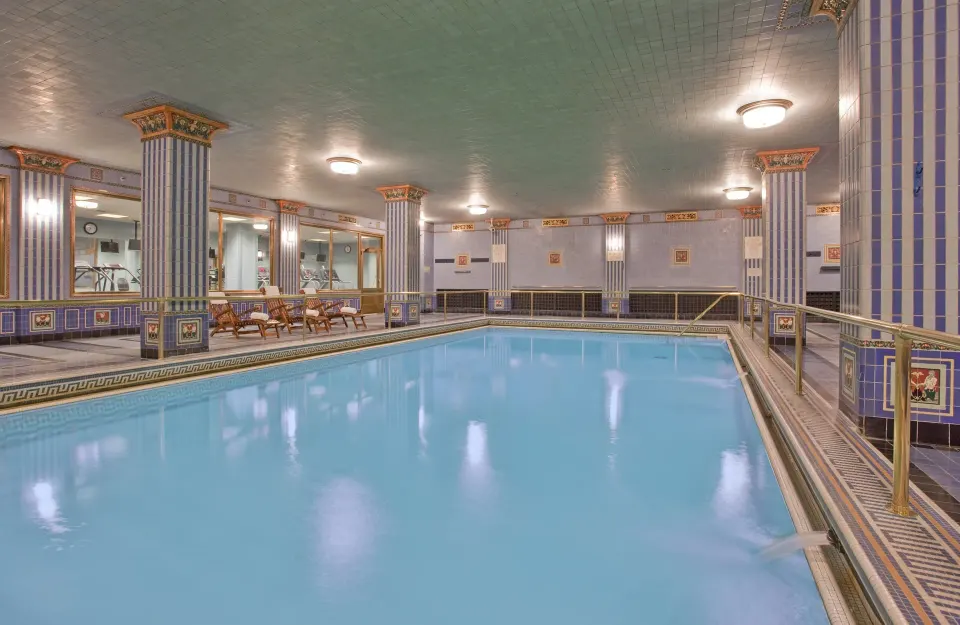
- Historic features include marble columns, decorative friezes and original 1920s tilework in some public areas.
Rendezvous Court, afternoon tea and lobby details
Rendezvous Court operates as the hotel’s lobby dining area and afternoon tea venue, continuing a tea tradition introduced in 1931. Afternoon Tea typically requires a reservation and is offered on weekends; the venue also serves breakfast and lunch during daily hours.
The lobby fountain, tiled floors and seating groupings are part of the tea experience and provide the most direct way to enjoy the building’s original public-room character without booking a private event.
- Rendezvous Court hours include breakfast and lunch; Afternoon Tea is offered on Saturdays and Sundays (reservations recommended).
- Afternoon Tea includes sandwiches, scones, pastries and specialty teas; alcoholic options available for guests 21+ with ID.
- Rendezvous Court is wheelchair accessible.
Film, TV and pop-culture connections
The Biltmore’s ornate bars and ballrooms have been used as filming locations across decades; the Gallery Bar and Grill is specifically noted in property materials as appearing in productions. The hotel’s historic ballrooms and lobby make easy, cinematic backdrops for period scenes.
If you’re looking for visible filmable details, focus on the wood-paneled Gallery Bar and Grill, the Crystal Ballroom’s painted ceiling and balconies, and the Galleria’s carved ornamentation—these are the kinds of spaces production crews select for shoots.
- Gallery Bar and Grill has been featured in TV and film (property materials cite Mad Men and The Italian Job).
- The Biltmore Bowl and Crystal Ballroom have hosted major events historically referenced in Hollywood coverage.
- Public spaces are actively used for private events, so some areas may be closed during filming or functions—check with the front desk.
Ballrooms and event spaces (quick reference)
The Biltmore offers multiple historic ballrooms used for weddings, meetings and large events. Capacities and layout options vary by room; the Crystal Ballroom is the property’s most prominent historic space.
These rooms preserve original decorative elements—hand-painted ceilings, chandeliers and wood paneling—that make them appealing both for events and for visitors interested in period architecture.
| Room | Typical Max Guests |
|---|---|
| Crystal Ballroom | 800 |
| Gold Room | 350 |
| Emerald Ballroom | 350 |
Practical tips for visiting historic spaces
The Biltmore Los Angeles remains an operating hotel—public rooms can be closed or used for private events. If you want to photograph or spend extended time in a specific space (Rendezvous Court, Crystal Ballroom or Gallery Bar and Grill), call ahead or ask the front desk about access.
Basic arrival facts to plan around: standard check-in is 3:00 PM and check-out is 11:00 AM. The indoor, heated saltwater pool (original 1920s blue tiles and brass railings) is open daily from 6:00 AM to 10:00 PM and is complimentary for guests.
- If arriving early or leaving late, early arrival and late check-out options are offered for a fee (subject to availability).
- On-site parking is available (self and valet) and an EV charging station exists; contact the hotel for current rates and height restrictions.
- The property is smoke-free and offers ADA-compliant accessible rooms and facilities.